
Apr 2, 2026
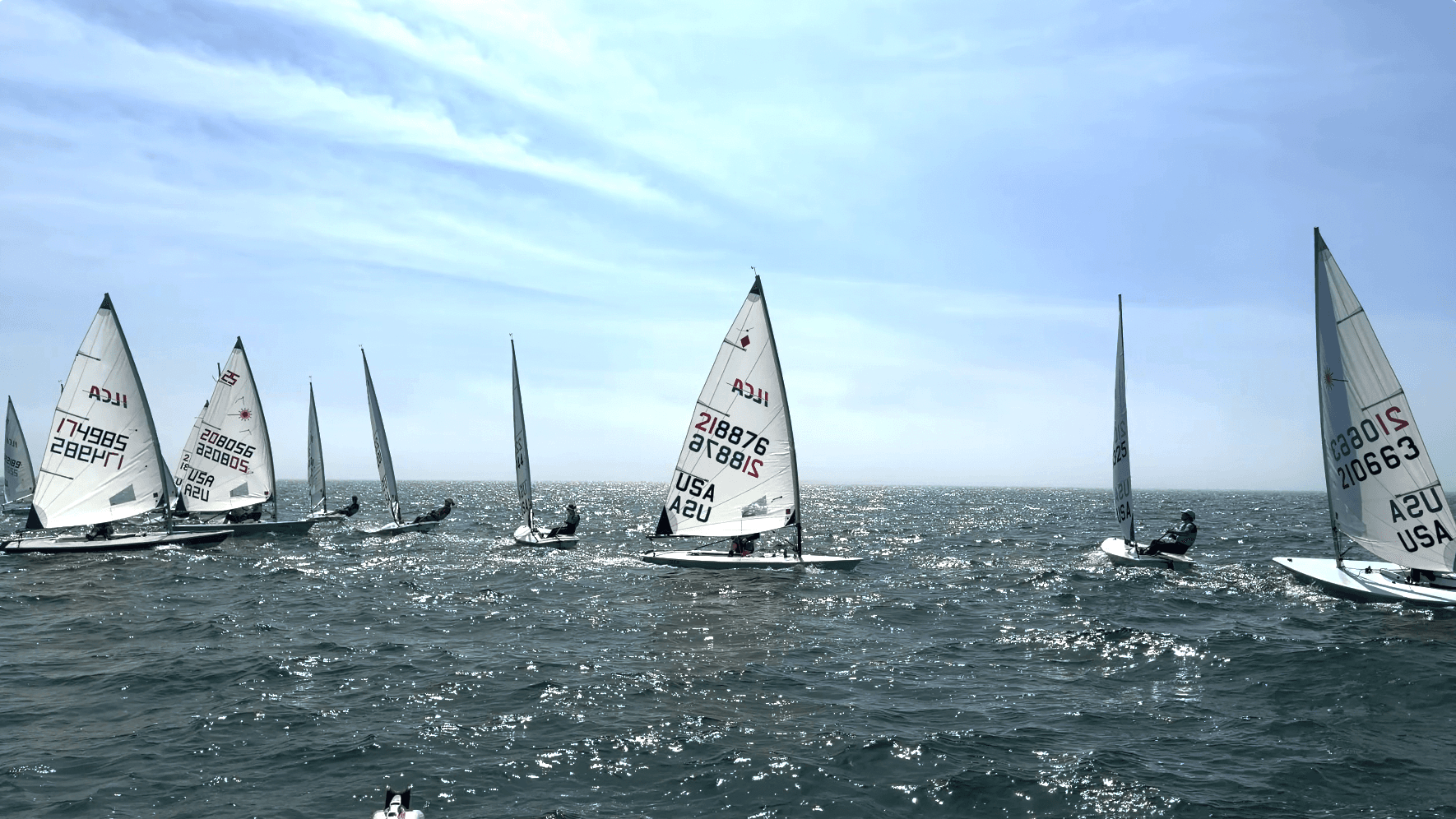
Good starts can make or break a race. But improving them usually means relying on memory, feel, and subjective feedback from the coach boat. That approach is slow and hard to repeat.
By capturing data — time-to-line, boat speed, positioning — and turning it into structured feedback, coaches can run start clinics that actually accelerate improvement. Here is how to set one up.
See what actually happened. Tracking time and distance to the line shows exactly where each sailor went wrong — not just what it looked like from the coach boat.
Give clearer feedback. Replace vague comments with specific metrics. Sailors respond better when they can see the evidence.
Track progress across sessions. Comparing data from each practice shows whether techniques are improving or reverting. Progress becomes measurable, not assumed.
Pick one or two focus areas for the session:
Time and distance mastery — perfecting the final minute to the start line
Acceleration and boat handling — optimizing trim for a controlled jump at the gun
Recognizing and using line bias — identifying the favored end and using it
Plan each start sequence to begin at a precise minute — e.g., 2:00 PM, 2:05 PM, 2:10 PM. This makes it easy to find and tag each start in your session data afterward.
GPS data: SailSync works with any recording device — phone, watch, Vakaros, Garmin, Sailmon, or other GPS. No special hardware required.
Video or drone coverage (optional): Record each start from the air or onboard for visual reference during debrief.
Start line coordinates: Record a GPS track at the boat end and capture the pin end for accurate analysis.
Vary the line length — shorten or lengthen to simulate different crowding scenarios
Experiment with line bias — tilt one end favored, then reverse it
Set short vs. spaced sequences — schedule starts every 5 minutes or leave longer intervals for discussion between rounds
Adjust for conditions — if the wind shifts, reposition marks so sailors have to react
Create a session — set up a new SailSync session for the day
Share the upload link with sailors — each participant uploads their GPS data to the session. One link, no extra steps.
Set start-line coordinates — upload track files, use Vakaros pings, or manually set pin and boat positions
Tag each start — use the start module to automatically suggest and tag each start at the exact time
Step through the key moments together: positions at 60 seconds, 30 seconds, 15 seconds, and 5 seconds before the start, and the first moments after. Overlay GPS tracks and compare approaches, acceleration, and line bias execution.
Timing patterns — are certain sailors consistently early or late?
Acceleration gaps — where are the slow transitions or missed opportunities?
Bias recognition — did sailors identify and use the favored end?
FLOAssist can summarize each start, highlight key moments, and surface errors and wins — so the debrief is more structured and takes less time to prepare.
Get recording sorted before the session. Make sure everyone knows how to record on their device before they leave the dock.
Use consistent signals. A standard horn or flag sequence keeps data timestamps aligned.
Focus on a few key metrics. Speed at the gun, distance to the line, and line bias leverage are enough to drive improvement.
Document progress. Encourage sailors to note their intended approach before each start and compare it with what the data shows.
Running a start clinic with data does not require more time or more tools. It requires capturing what is already happening on the water and turning it into feedback coaches and sailors can use. SailSync makes that easier — any device, one upload link, structured reports ready for debrief the same day.